Raja Kavuni black rice, hand-sown and hand-cut on one family's single estate — grown the way our grandparents grew it, so your family can taste what ours has always known.
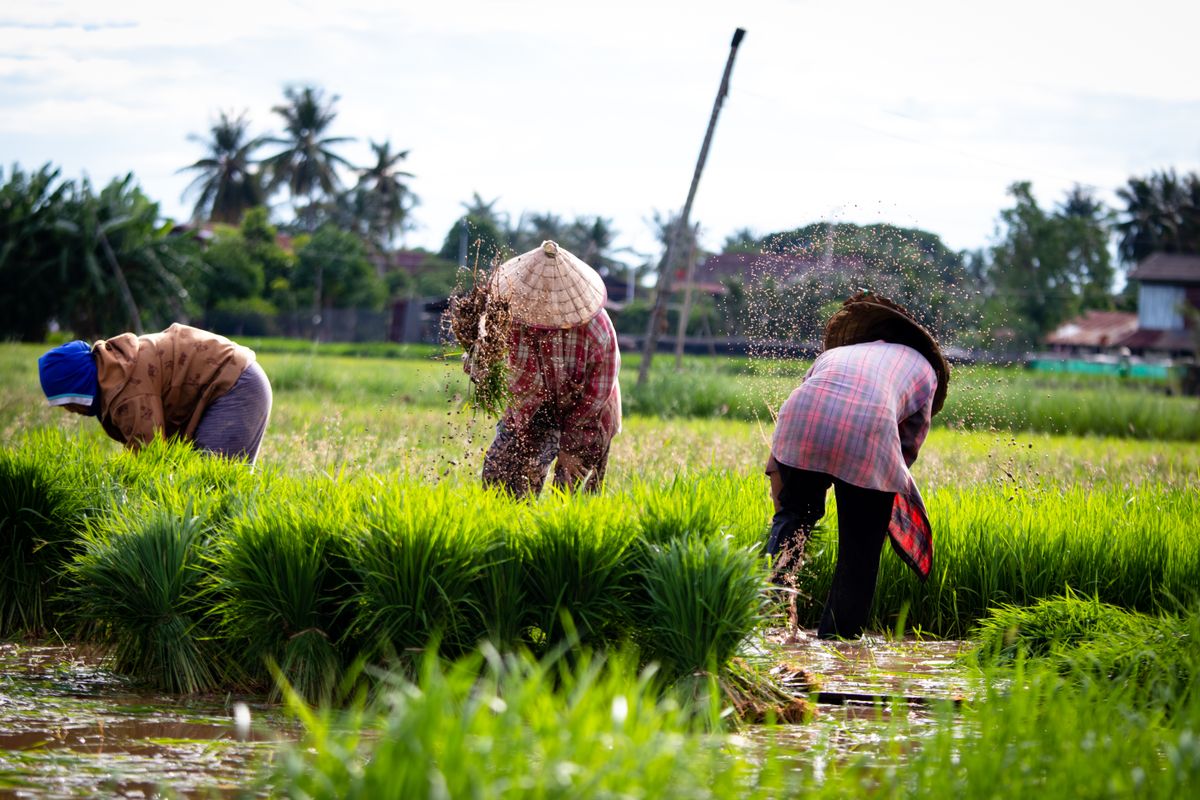
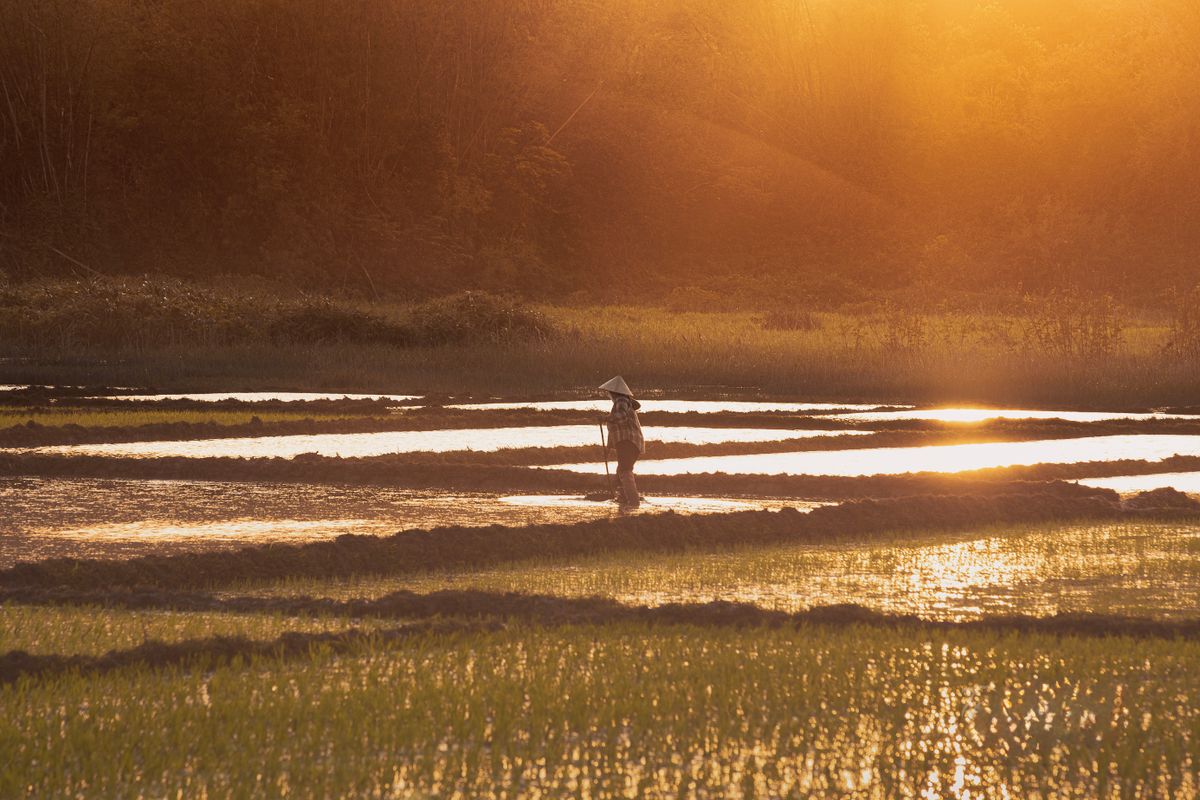
For over seven decades, our family's life has revolved around the terra-cotta soil of Pudukkottai, Tamil Nadu. My grandparents raised their children in these same fields; my parents learned to read the sky here before they learned much else. Today, as third-generation farmers, we carry that exact same torch — sowing, tending and cutting Raja Kavuni by hand, the way it has always been done in our family.
No heavy machinery touches our fields. Every stalk is cut by hand, dried in the sun, and milled just enough to keep the bran — and everything it protects — intact. It's slower, and some seasons it's harder. But it's ours, and it's honest, and that's worth more to us than speed.
When you open a box of Raja Kavuni, you aren't just buying food — you are sitting down at the same table our family has for seventy years, and helping an unbroken Tamil farming heritage live on for one more generation.
Once reserved for royalty, black rice earns its place at the table today for reasons modern science is only now catching up to.
A GI of roughly 42 means Raja Kavuni digests slowly, helping prevent the blood sugar spikes common with polished white rice.
Its deep hue comes from anthocyanins — the same antioxidants found in blueberries, here in even greater concentration.
Left 100% unpolished, every grain keeps its whole bran layer — delivering far more fiber than standard white rice.
Grown in the mineral-rich soil of one family estate in Pudukkottai — nowhere else, no blending, no shortcuts.
Raja Kavuni isn't just a heritage grain — its natural profile supports several everyday wellness goals. Here's a closer look at what an unpolished, single-estate black rice brings to your plate.
With a glycemic index of roughly 42, Raja Kavuni releases glucose slowly rather than spiking blood sugar — a quality many people managing diabetes look for when choosing a staple grain.
The anthocyanins that give this rice its deep black-purple color are the same antioxidant family linked to healthier cholesterol levels and reduced oxidative stress on the cardiovascular system.
Left unpolished, every grain keeps its fiber-rich bran layer — which slows digestion and helps you feel fuller for longer, supporting portion control naturally.
Anthocyanins are potent antioxidants — the same class found in blueberries and blackberries, here in even greater concentration — helping the body counter everyday oxidative stress.
10–12x more fiber than polished white rice means better-fed gut bacteria, more regular digestion, and a steadier feeling after meals.
Because it's never stripped of its bran, Raja Kavuni retains naturally occurring iron, magnesium and manganese that polished white rice mostly loses in processing.
This is general nutritional information, not medical advice. If you're managing diabetes, heart disease, or any other health condition, please talk to your doctor or a registered dietitian about the right diet for you.
Seedlings placed by hand, row by row.
Months of natural growth, no forcing.
Cut by hand — never heavy machinery.
Milled just enough to stay unpolished.
Sealed and shipped farm-direct to you.
"My father was diagnosed with diabetes last year, and switching our family's rice to Raja Kavuni was one of the easiest changes we made. It doesn't spike his sugar the way white rice did, and it tastes richer too."
Priya R.Home cook, Chennai"I've bought black rice at the supermarket for years, but nothing compares to this. You can taste that it's grown with real care, not just processed and packaged on a big farm somewhere."
Arjun M.IT professional, Bengaluru"Ordered a kilo to try it out and ended up ordering three more the same month. It's become our everyday rice now — my kids don't even notice we switched."
Kavitha S.Retired teacher, Coimbatore